
Early civilizations in Asia used cannabis thousands of years ago. However, they didn’t initially use for recreational or even medicinal purposes. Instead, the plant was a valuable crop that they cultivated to make useful items such as rope, clothing, fabric, and a product similar to paper. Many historians believe the medicinal and therapeutic benefits of marijuana were discovered long before 1,000 BC. Evidence found in tombs in Western China suggests humans smoked cannabis at least 2,500 years ago.
Cannabis prohibition started in the Islamic world during the 14th century. By the 20th century, most regions outlawed it. This made it difficult for the scientific community to study it in depth. This is why there are so many lingering questions about marijuana. The circulation of misinformation and blatantly biased propaganda such as “Reefer Madness” made it even harder to find the truth. Only now are we starting to understand the benefits and risks of marijuana consumption.
There Are Many Ways To Enjoy The Benefits
Smoke it, eat it, drink it, or rub it on.
Smoke it:
- Roll a joint
- Smoke it in a pipe, bong, or hookah
- Vape it
Don’t like the idea of smoking it? Here are some other ways to reap the benefits of cannabis:
- Tinctures
- Ingestible oils
- Capsules
- Topical delivery
Try cooking with it. There are hundreds of delicious cannabis infused foods you can make such as:
- Cakes and brownies
- Chocolate and fudge
- Hot wings
- Pizza
- Lasagna
- Pecan pie
Science Still Has Much To Learn About Cannabis
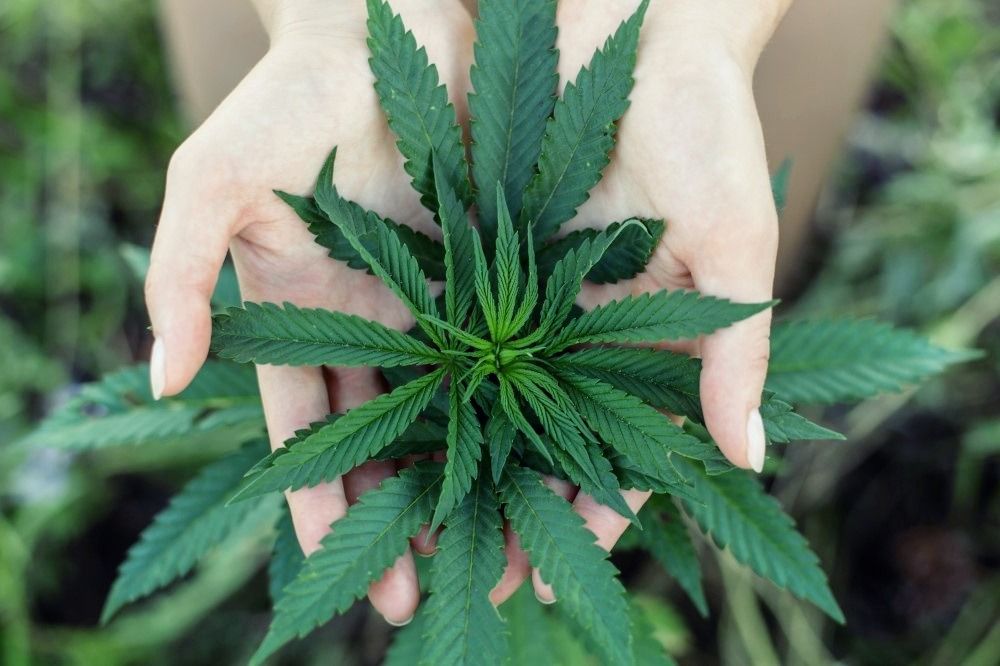
Cannabis has over 500 ingredients.
We know consuming marijuana alters the mind. It can also:
- Heighten sensory perception
- Instill a sense of relaxation
- Induce fits of laughter
- Increase your appetite
- Help relieve stress
This is a result of tetrahydrocannabinol, or THC which is a component of marijuana. Cannabis contains nearly 500 natural ingredients. This includes over 65 unique cannabinoids including cannabidiol, or CBD, which is not psychoactive.
How about the side effects?
We also know that consuming cannabis can sometimes cause uncomfortable short-term side effects like:
- Dry mouth
- Red eyes
- Memory lapses
- Anxiety
- Paranoia
- Fatigue
- Cognitive malfunctions
- Impaired motor skills
Science has learned a lot about marijuana in the past few years. Still, there is a lot more to learn.
Cannabis Has Many Medicinal Benefits
Many ancient civilizations used cannabis for medicinal purposes. So, were they on to something? Can marijuana really help us with our various ailments? Well, it’s starting to look that way. Several recent studies show that cannabis can help treat a variety of conditions. You must understand that many marijuana extracts and elixirs do not contain THC. This means you can use them without getting stoned.
Cannabis Helps Relieve Chronic Pain
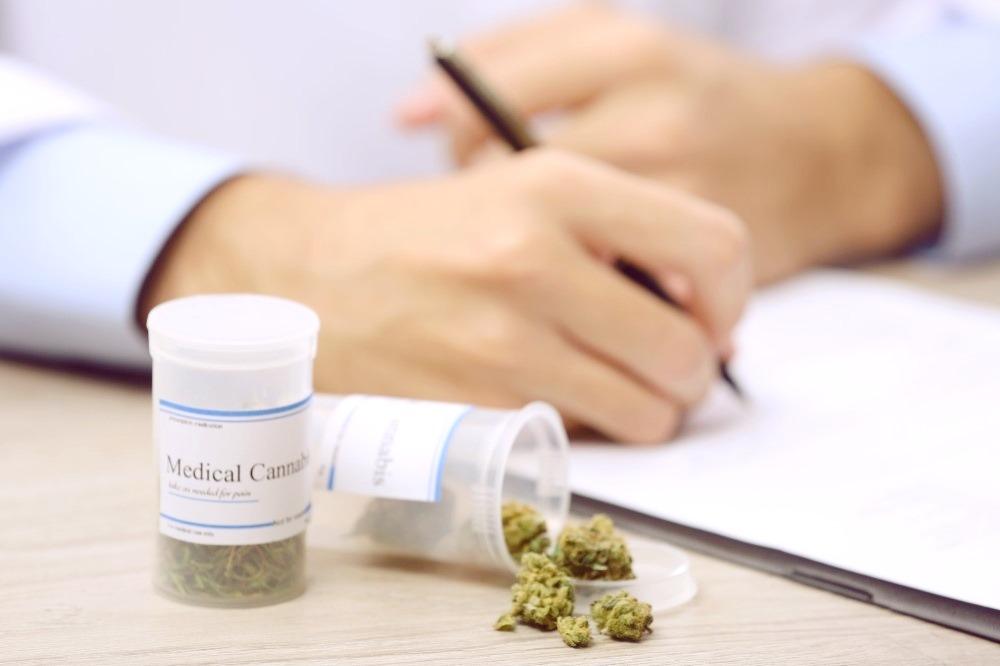
Marijuana is a great alternative to opiates.
Millions of people all over the world suffer from chronic pain. In fact, over 25 million Americans continually deal with it. The National Academies of Sciences, Engineering, and Medicine recently conducted a study on marijuana’s ability to treat chronic pain. The verdict? Marijuana and cannabinoid products effectively treat chronic pain. This makes cannabis an attractive alternative to opiates, opioids, and NSAIDs which can be very dangerous. Opiates and opioids can potentially cause several nasty side effects and other complications.
- Sedation
- Dizziness
- Vomiting
- Nausea
- Respiratory problems
- Constipation
- Dependency
- Overdose

Marijuana is used to ease chronic pain.
As it turns out, many people already knew how effective marijuana is in the treatment of chronic pain. In the United States, medical marijuana is most commonly used to ease chronic pain. However, cannabis is not very effective in treating severe pain such as broken bones.
Cannabis Helps Cancer Patients
No. Marijuana does not cure cancer. Nevertheless, some studies suggest that it might slow cancer growth and help kill some types of cancer cells. There is also ample evidence that shows how cannabinoids and smoking marijuana can ease the torturous symptoms associated with chemotherapy. Again, it’s not a cure, but using medicinal marijuana and oral cannabinoids can benefit those afflicted with this terrible disease.
Cannabis Helps Prevent Severe Epileptic Seizures
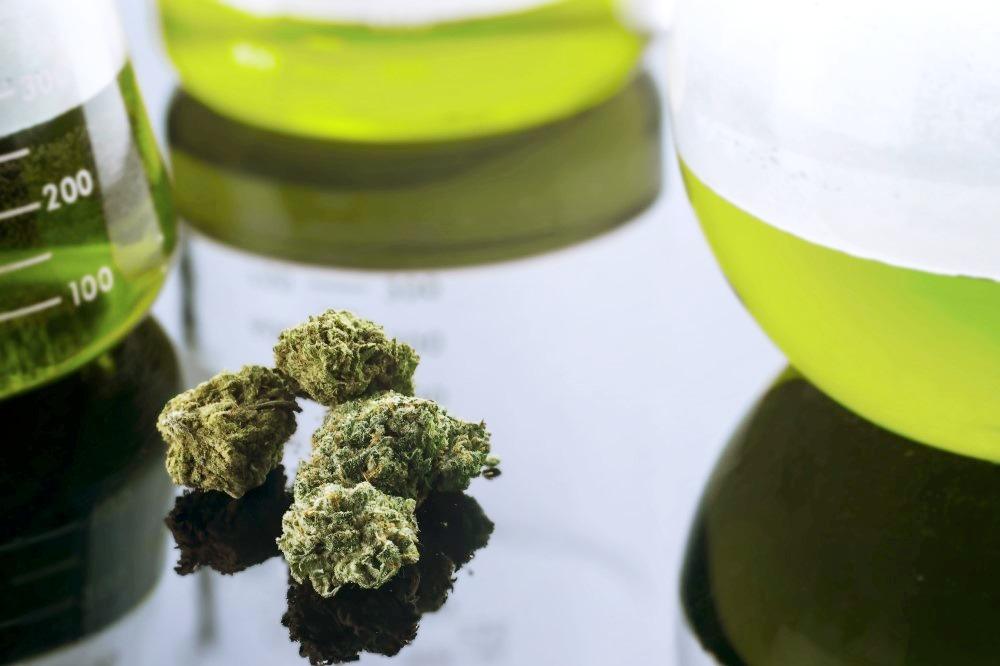
Cannabis reduces seizures by up to 50%.
Dravet syndrome and Lennox-Gastaut syndrome are two rare, yet severe types of epilepsy. Those who suffer from Dravet syndrome are prone to long, repetitive, and in some cases, fatal seizures. Sadly, 20% of children who suffer from Dravet syndrome die before they turn 20. These conditions have proven difficult to control using pharmaceuticals. The Food and Drug Administration approved a CBD-based drug called Epidiolex. Because it is a cannabidiol-based drug, it isn’t psychoactive.
Studies found that children who used Epidiolex suffered up to 50% fewer seizures. Even though this CBD solution is effective, over 90% of the children studied experienced side effects which include:
- Fatigue
- Fever
- Vomiting
Those who are prescribed Epidiolex are warned of other side effects including liver damage and sedation.
Cannabis Eases Symptoms of Multiple Sclerosis
Multiple sclerosis is a debilitating disease that targets the nervous system. MS has several symptoms, including pain, muscle weakness, and cognitive problems. It can also affect hand-eye coordination, balance, and vision. There are several pharmaceuticals available to help treat these symptoms, but many of them leave users in a highly sedated state. Marijuana is proving to be an effective and much safer alternative. Many MS patients swear by marijuana’s effectiveness in treating pain and other related symptoms while allowing them to feel more alert and engaged.
Marijuana has also eased symptoms of other diseases and afflictions like:
- Parkinson’s disease
- Crohn’s disease
- Arthritis
- Fibromyalgia
- Hepatitis C
- ALS
- Tourette’s syndrome
Cannabis Slows the Progression of Alzheimer’s Disease
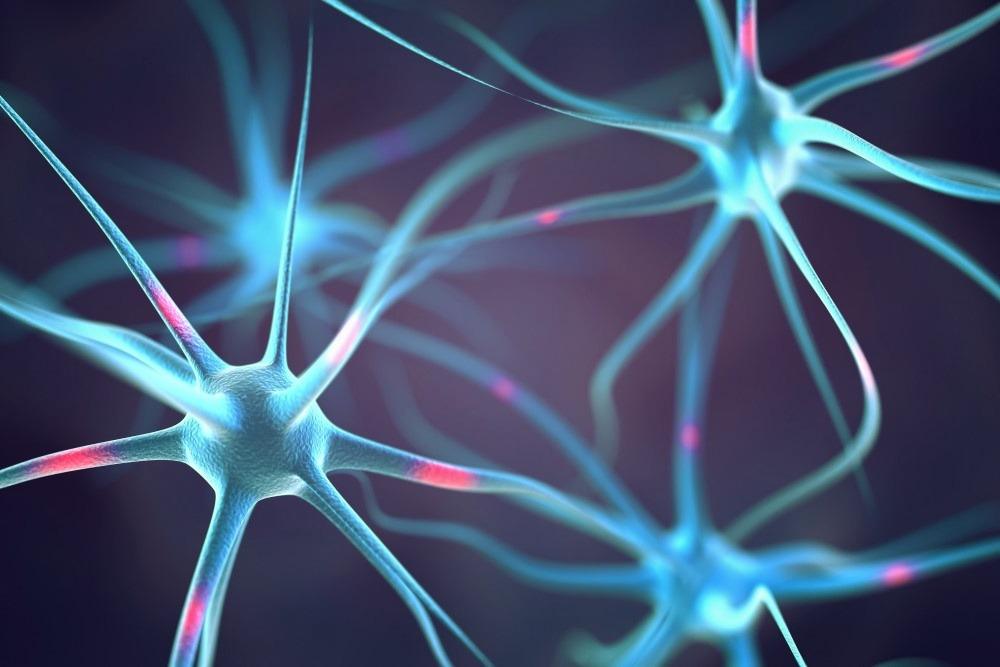
Cannabis protects brain cells.
This one’s rather surprising considering how many experts warn of memory loss and cognitive impairment as possible long-term side effects of cannabis use. Yet, in 2006, a study conducted at the Scripps Research Institute concluded that marijuana reduces the rate at which Alzheimer’s progresses. With Alzheimer’s, amyloid plaques form in the brain and kill brain cells. Amazingly, THC obstructs the enzyme that creates amyloid plaques. While marijuana doesn’t cure Alzheimer’s disease, it slows its progress.
Cannabis Could Prevent You From Going Blind
You have likely already heard about marijuana being used to fight glaucoma. This is absolutely true. Glaucoma damages the optic nerve by creating increased pressure within the eyeball. This condition can lead to blindness. Research conducted in the 1970s concluded that smoking marijuana reduces the pressure in the eyeball. Smoking a bomber might not save your life, but it could save your sight.
Cannabis May Help Heal Brain Injuries
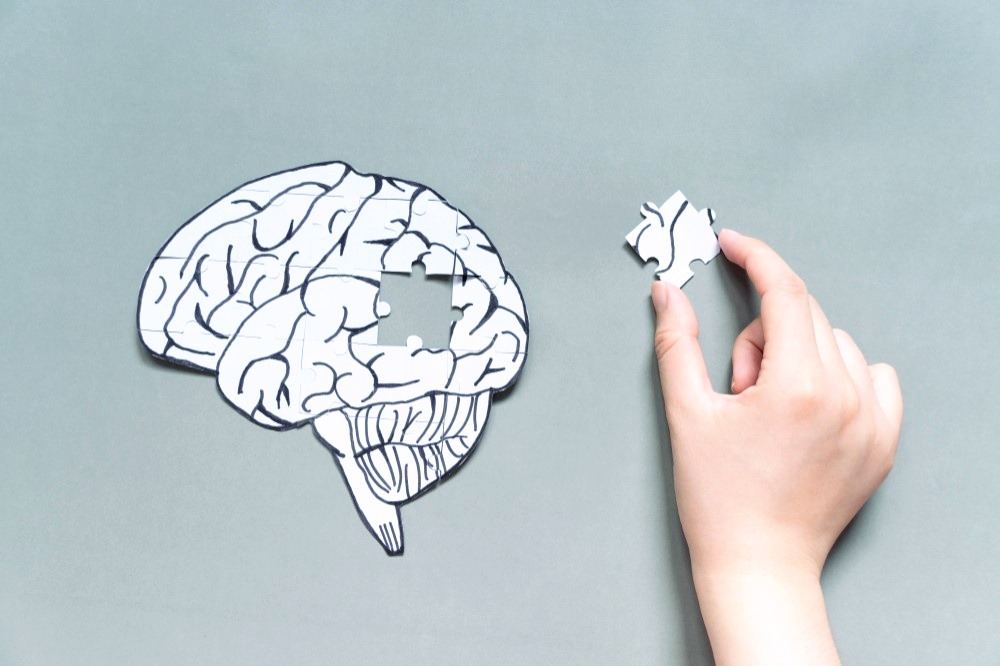
Marijuana reduces bruising in the brain.
Marijuana’s ability to heal the human brain after a traumatic head injury or concussion is still up for debate. However, clinical data and experiments done on mice found that marijuana reduced bruising in the brain and aided the healing process. Lester Grinspoon, Associate Professor of Psychiatry at Harvard Medical School, penned a letter to NFL Commissioner Roger Goodall urging the NFL to stop screening its players for cannabis. Goodall said that he would consider it if more conclusive evidence emerged.
Psychotherapeutic Uses of Cannabis
Cannabis effectively treats many physical conditions. But, what about mental disorders and other issues related to the mind? There are loads of theories out there, but we still don’t have a lot of answers. Still, there are verifiable cases of marijuana successfully treating or managing a range of mental conditions. On the flip side, numerous studies have shown that cannabis is not appropriate for treating conditions like psychosis and bipolar disorder.
Cannabis Eases Symptoms of Depression
A lot of information about the dreadful effects of depression has come to light over the past couple of decades. We now have a better understanding of how it can devastate individuals and their families. Globally, around 350 million people suffer from depression and must deal with a range of symptoms.
- Sleep issues
- Fluctuations in weight and appetite
- Lack of energy
- Cognitive issues
- Suicidal thoughts
- Lack of interest in activities
- Unhappiness
Fortunately, there are a number of treatments available, such as pharmaceuticals and therapy. Researchers are currently evaluating the effectiveness of marijuana in treating this affliction.

Cannabis may help restore your endocannabinoid levels.
The Research Institute on Addictions at the University of Buffalo is taking a close look at endocannabinoids which are chemical compounds in the brain. Chemically, they are similar to cannabinoids and they help control motor skills, thinking, emotions, and overall behavior. Studies done on animals found that stress hampers the brain’s ability to produce endocannabinoids. This can result in depression. Introducing cannabinoids into the body could possibly restore endocannabinoid levels and reduce symptoms.
Cannabis Eases Symptoms of PTSD
Post-traumatic stress disorder is a horrible condition to live with. It’s usually caused by witnessing or experiencing a horrifying event. Common symptoms of PTSD include:
- Flashbacks
- Nightmares
- Uncontrollable thoughts
- Extreme anxiety
- Difficulty dealing with everyday situations
- Detachment
- Lack of interest in enjoyable activities
- Mood swings
- Suicidal thoughts
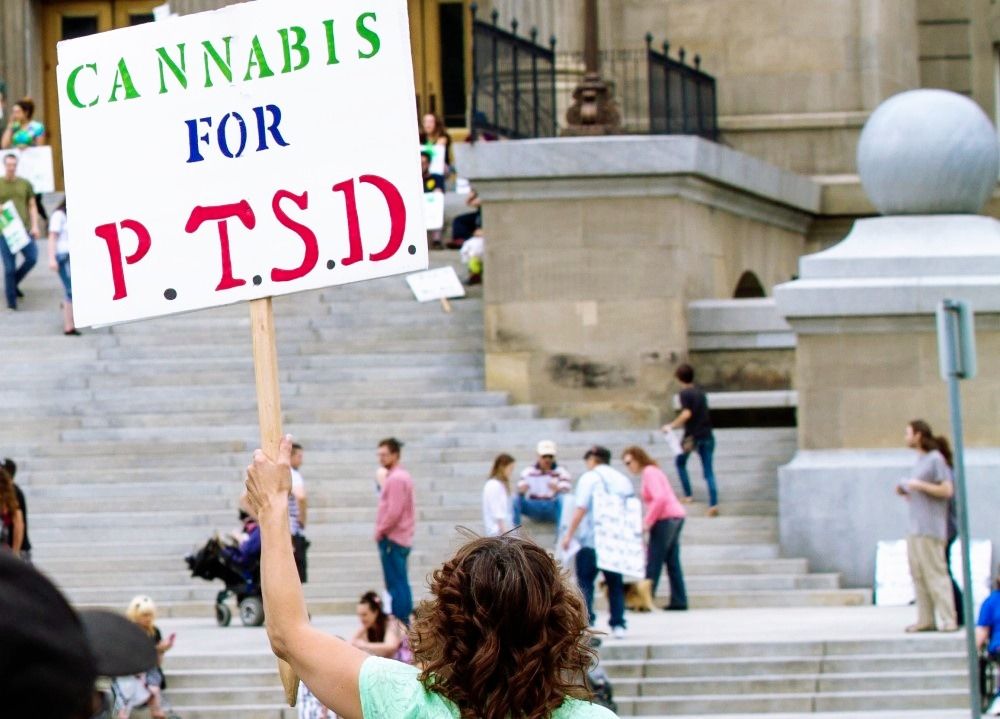
Many PTSD sufferers swear by cannabis.
Many people who suffer from PTSD are turning to cannabinoids to treat their symptoms. Cannabinoids have reduced many related symptoms in some subjects, but it has not been effective in others. Of course, the severity of an individual’s PTSD is a huge factor. Researchers are still in the early stages of studying marijuana’s ability to treat PTSD, but some early studies show promise.
Cannabis Helps Some Schizophrenics
Believe it or not, CBD has successfully treated symptoms of schizophrenia. Controlled tests showed the effectiveness of CBD was comparable to other antipsychotic drugs. Not surprisingly, CBD also caused fewer adverse side effects.
Cannabis Helps With Sleep Disorders
Sleep is an essential component of a healthy lifestyle. Unfortunately, millions of people all over the world experience sleep disorders such as insomnia. This may cause problems such as:
- Fatigue
- Frustration
- Depression
- Anxiety
- Lack of focus
- Judgment errors and accidents
Can smoking a joint help? You betcha. Just be sure to smoke an indica strain with more THC and less CBD. A study done in 2008 found that consuming strains of cannabis with higher THC levels can reduce REM sleep which increases the amount of deep sleep you get. The drawback? You need REM sleep to stay sharp. Also, because you are getting less REM sleep, you dream a lot less. Of course, this could be beneficial for those with PTSD. Don’t make this a nightly ritual because some studies show that regular marijuana use can impair your sleep.
What About the Risks?
It seems that everything comes with a certain amount of risk and marijuana use is no different. Once again, science is still learning about marijuana and its potential as a medicinal and psychotherapeutic tool. Researchers have confirmed many short-term side effects but a lot less is known about the long-term implications of using cannabis.

“We do not have enough clinical trials. Personal anecdotes are fine, but it’s just the first step. There are a lot of autoimmune diseases, like Type 1 Diabetes, where cannabis has shown to be effective and yet, there are no clinical trials,” says Dr. Raphael Mechoulam, “Godfather of Cannabis”.
Some of the proven side effects aren’t pretty. Forget about the dry mouth, red eyes, and the eight cans of ravioli you ate the last time you blazed a fatty. There are much more serious proven and potential side effects.
Risks To Your Physical Well-Being

Cannabinoids are not carcinogenic.
Lung damage is one of the most obvious side effects of smoking marijuana. The University of California did extensive research and found that marijuana does not damage your lungs as much as tobacco. That doesn’t mean it’s harmless. While the study found no evidence to suggest cannabinoids are carcinogenic, there is plenty of evidence that shows marijuana smoke is. Smoking cannabis can also cause other troubles like:
- Chronic coughing
- Chronic bronchitis and lung infections
- Reduced hippocampal volume
- Cardiovascular problems
- Reduced bone density

Marijuana could damage your reproductive system.
Needless to say, women who consume marijuana during pregnancy are putting their unborn children at risk. Lower birth weights and cognitive deficits are just a couple of things linked to marijuana use during pregnancy.
Speaking of pregnancy, researchers have discovered that using marijuana could harm the reproductive systems in both males and females. Studies found that exposing male animals to cannabis made them produce significantly less testosterone. Similarly, female animals exposed to cannabis produced less estrogen, progesterone, and other hormones.
What About Risks To Your Mental Health?
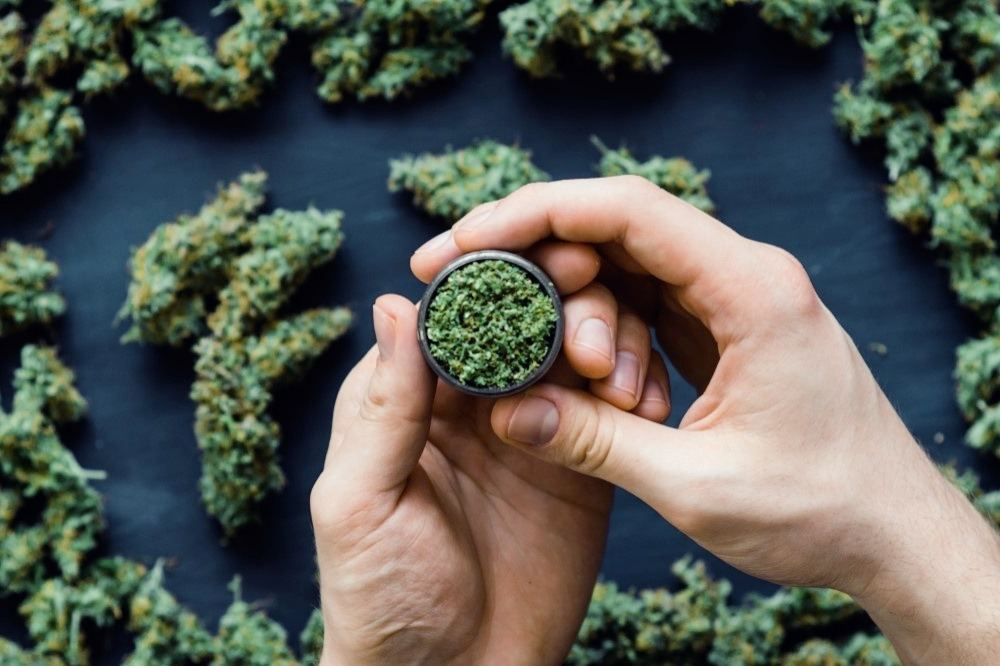
Cannabis may have long-term side effects.
There’s no shortage of theories about marijuana’s long-term effects. Despite so much speculation, it will take some time before a lot of these theories are validated or dismissed. Thankfully, we have a lot of clear evidence that links certain mental health issues with marijuana. For starters, several studies show that long-term cannabis use can lead to permanent disorders including:
- Impaired cognitive function
- Paranoia
- Impaired memory
- Delusions
- Depersonalization
- Anxiety
Smoking marijuana may lower your IQ
Researchers from Duke University took part in a study that examined a group of heavy pot smokers who started using in their teens. On average, the people in the test group experienced an 8-point drop in their IQs by the time they were 38. Conversely, those who started using cannabis as adults didn’t register a notable decline in their IQs.
It’s important to remember that cannabis research is still in the early stages and a plethora of questions remain unanswered. Hopefully, scientists will soon have definitive answers and put an end to the guesswork and speculation. If you are considering using marijuana for medicinal or psychotherapeutic reasons, it’s a good idea to first consult with a medical professional.